
Understanding Pass-Through Income for S-Corps and LLCs
How S corporation and LLC income passes through to your personal return, what your K-1 shows, and how the Section 199A deduction can help.

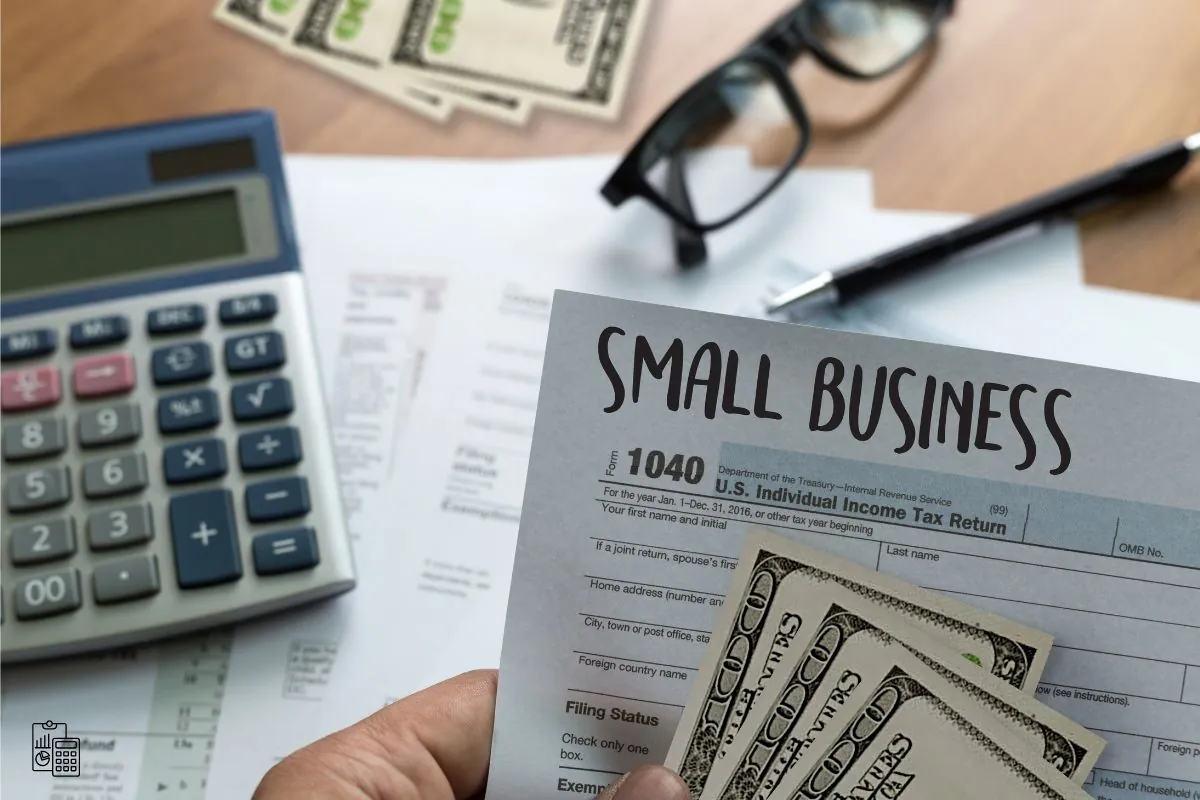
Effectively managing tax obligations is crucial for small business owners aiming to maximize profitability and ensure compliance with tax regulations. Implementing strategic tax planning can lead to significant savings and enhance financial stability.
Tax deductions reduce taxable income by allowing businesses to subtract certain expenses incurred during operations. Accurate record-keeping is essential to substantiate these deductions and minimize tax liability.
Deductions are available for essential operating costs, including rent, utilities, and office supplies. Deducting these regular expenses reduces taxable income and supports financial health.
Wages, health benefits, and other employee-related expenses are tax-deductible, lowering the business’s tax burden while incentivizing investment in employee well-being.
Fees for professional services, such as accounting, legal consultations, and marketing, are deductible business expenses contributing to tax savings and operational efficiency.
Depreciation allows businesses to allocate the cost of tangible assets over their useful life, providing annual deductions that reflect asset wear and tear. This approach reduces taxable income and aligns expenses with revenue generation.
This provision allows businesses to deduct the total cost of qualifying assets (such as machinery and office equipment) in the year of purchase up to a certain limit, offering immediate tax savings.
For certain assets, businesses may apply bonus depreciation, which permits immediate expense deduction, helping manage cash flow and reduce upfront tax burdens.
Properly classifying assets (e.g., vehicles, machinery, or office furniture) ensures accurate depreciation schedules and optimizes the business’s annual deductions.
Tax credits directly reduce the amount of tax owed and can be more advantageous than deductions. Identifying and applying for applicable credits can significantly lower tax obligations.
This credit encourages investment in innovation by rewarding qualified R&D activities with direct tax savings.
Businesses that hire from certain target groups (e.g., veterans or long-term unemployed individuals) can benefit from a tax credit based on qualified employee wages.
Certain federal and state credits are available for businesses that invest in energy-saving technologies or renewable energy installations, contributing to sustainability efforts while reducing taxes.
Proactive tax planning involves strategies such as income deferral, expense acceleration, and retirement plan contributions. These methods can optimize tax positions and enhance cash flow management.
Delaying income recognition until the following tax year can help reduce the current year’s taxable income, especially beneficial if the business anticipates a lower tax bracket.
Paying expenses in advance or making additional deductible purchases before year-end can reduce the current tax burden by lowering net taxable income.
Funding retirement plans (e.g., SEP IRAs, SIMPLE IRAs, or 401(k)s) for the business owner and employees not only provides a retirement benefit but also offers valuable deductions.
Thoroughly reviewing all business-related expenses ensures that all eligible deductions are claimed. Maintaining detailed records and receipts is vital for substantiating these deductions during tax filings.
Business-related travel expenses, such as airfare, lodging, and meals, are deductible. Keeping receipts and detailed records is necessary for validation.
Meals directly related to business activities may be partially deductible, especially if they contribute to relationship-building or client engagement.
Self-employed business owners working from home may qualify for the home office deduction, provided the space is regularly and exclusively used for business purposes.
Implementing tax-efficient practices, such as selecting the appropriate business structure and utilizing available tax incentives, can reduce overall tax liability. Staying informed about changes in tax laws and regulations is essential to adapt strategies accordingly.
The structure (e.g., LLC, S-Corp, C-Corp) of a business influences tax rates, liability, and eligibility for deductions. Assessing and selecting the best fit helps optimize tax obligations.
Leveraging federal and state tax incentives, including grants and specific credits, can provide immediate financial benefits and reduce taxable income.
Conducting periodic tax reviews enables small business owners to stay compliant, update tax-saving strategies, and respond to regulatory changes that impact deductions and credits.
Maximizing tax benefits requires a comprehensive understanding of available deductions, credits, and strategic planning. For personalized assistance in optimizing your business's tax position, consider reaching out to Gregg Jaffe. Call us at 516-770-5305 or complete the contact form on our website at https://www.greggjaffetax.com/contact to schedule a consultation. Let us help you navigate the complexities of tax planning with confidence.
How S corporation and LLC income passes through to your personal return, what your K-1 shows, and how the Section 199A deduction can help.
The 2026 tax moves that must happen by December 31, including payroll retirement contributions, RMDs, charitable gifts, and New York 529 deposits.
With the 2026 SALT cap at $40,400, many Long Island homeowners may come out ahead itemizing. Here is how to compare it with the standard deduction.
A free initial consultation is the easiest way to see how Gregg can help. Call, email, or send a message and he will be in touch.