Standard Deduction or Itemizing: Why Long Island Homeowners Should Run the Numbers Again
With the 2026 SALT cap at $40,400, many Long Island homeowners may come out ahead itemizing. Here is how to compare it with the standard deduction.


As temperatures rise, so does the appeal of picking up extra income. From tutoring and landscaping to freelance design and weekend event gigs, summer side hustles are everywhere. But before the first payment hits your Venmo or Cash App, it’s important to understand how these earnings affect your taxes.
Even a quick job for a neighbor or a few hours a week running errands can carry tax implications. The IRS still wants to know about that income—and failing to report it accurately can cause trouble down the line.
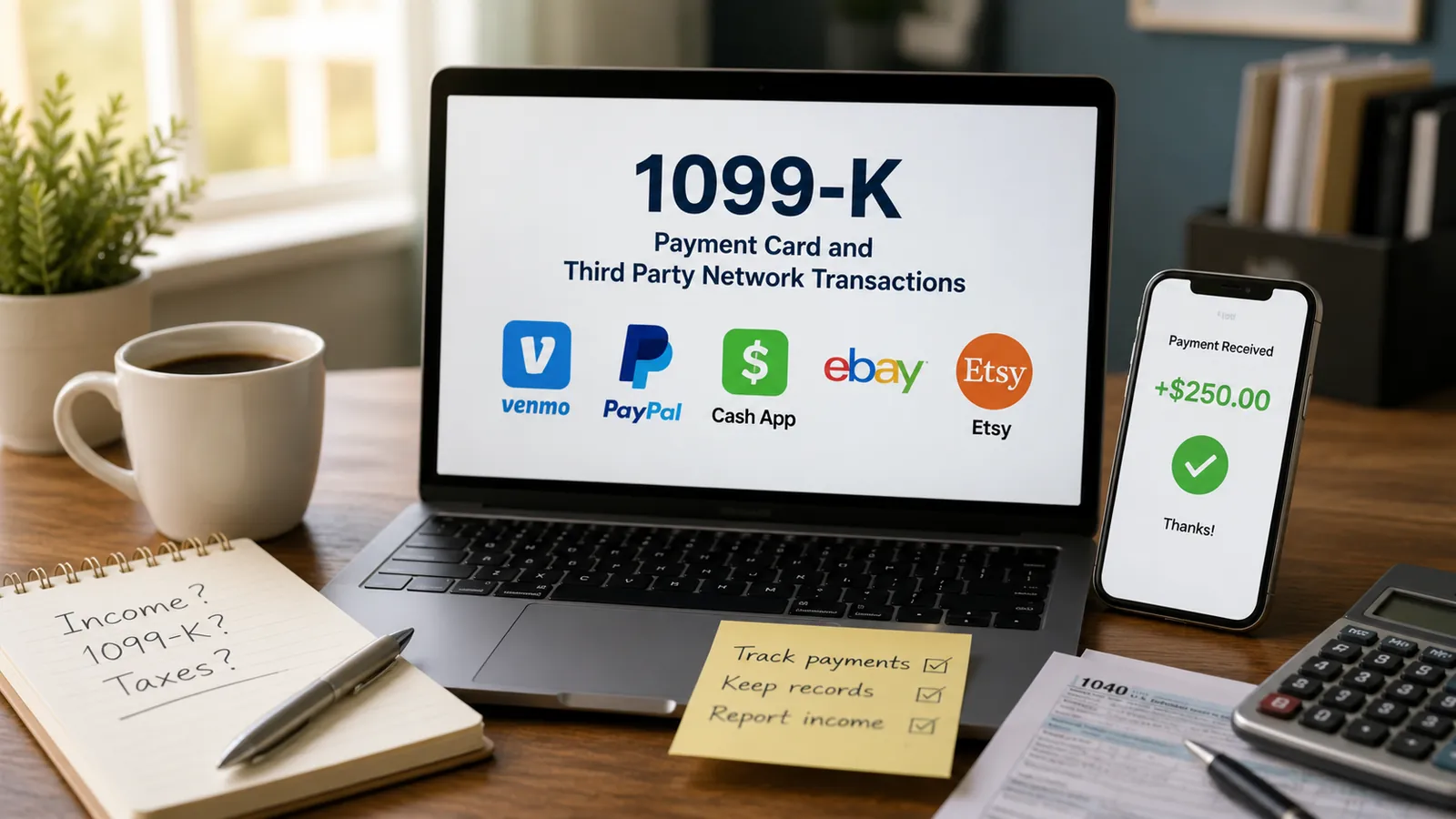
One of the most common myths about side gigs is that small or infrequent payments "don’t count." In reality, all income is reportable unless specifically excluded by the IRS. That includes payments received through platforms like Venmo, PayPal, Cash App, or Zelle for services you provide.
Even if you don’t receive a 1099 form, it’s still your responsibility to report that income. Payment platforms are increasingly required to share data with the IRS, and mismatches between their records and your return can result in penalties or audits.
You may have heard about a $600 reporting threshold for payment apps. That lower threshold was repealed by the One Big Beautiful Bill Act, signed in July 2025. Payment apps and online marketplaces now issue a Form 1099-K when your payments for goods and services in a year total more than $20,000 and come from more than 200 transactions. Payment card processors follow a separate rule and report card payments regardless of the amount.
The form threshold only controls what gets reported to the IRS. Income below it is still taxable and still belongs on your return. The IRS explains the current rules in its Form 1099-K FAQs.
Whether or not you receive a 1099-K, you are still required to report any income earned for services provided. Personal reimbursements—like splitting a check with friends—are not taxable. But mowing lawns, tutoring students, or selling crafts through a payment app? That income counts.
When juggling multiple gigs or clients, tracking what you earn and spend becomes essential. Set up a simple system to log your income and related expenses, whether it’s a spreadsheet, a notes app, or a dedicated accounting tool.
Document who paid you, how much, and what the work involved. Save receipts for business-related purchases—gas for travel, materials or supplies, even partial phone or internet usage. Good recordkeeping not only helps you stay organized, but it also ensures you can claim deductions properly and reduce your tax liability.
In most cases, if you're earning income outside of a traditional job, the IRS considers you self-employed. That means you may have to:
Since taxes aren’t withheld automatically, it’s smart to set aside a portion of every payment you receive. A good rule of thumb: reserve 25-30% of your side hustle income for taxes.
If your summer gig starts turning into something bigger, or if you’re unsure about how to report your income and expenses, getting professional support is a wise move. A tax advisor can help you:
Smart financial guidance now can help prevent stress during tax season—and potentially save you money.
Side hustles can be a great way to build skills, fund goals, or add flexibility to your income. But they also come with responsibilities. Understanding how to track, report, and prepare for taxes can keep you in the clear and set you up for long-term success.
If you’re unsure how to handle taxes for your summer income or gig work, Gregg Jaffe Tax Services offers guidance tailored to self-employed individuals and seasonal earners.
Phone: 516-770-5305
Contact Form: https://www.greggjaffetax.com/contact
With the 2026 SALT cap at $40,400, many Long Island homeowners may come out ahead itemizing. Here is how to compare it with the standard deduction.
IRS payment options explained: short-term plans, installment agreements, hardship status, and Offers in Compromise, and how to choose the right one.
When Venmo, PayPal, and Cash App payments count as taxable income, how the 2026 Form 1099-K threshold works, and what to report on your return.
A free initial consultation is the easiest way to see how Gregg can help. Call, email, or send a message and he will be in touch.