Standard Deduction or Itemizing: Why Long Island Homeowners Should Run the Numbers Again
With the 2026 SALT cap at $40,400, many Long Island homeowners may come out ahead itemizing. Here is how to compare it with the standard deduction.


March is when tax season stops feeling theoretical. Early filers are mostly done, procrastinators are starting to feel the pressure, and many people are realizing their return is not as simple as they expected.
At Gregg Jaffe Tax Services, we work with individuals, families, seniors, homeowners, and business owners across Plainview and Long Island. By March, the same issues tend to surface year after year. This season, changes under the One Big Beautiful Bill Act (OBBBA) have added a few new points of confusion.
Here is what we are seeing most often, and what it could mean for your return.
The most common issue we see in March is incomplete paperwork. Many people feel ready to file, but important documents are still outstanding.
Items that are frequently delayed or overlooked include:
Filing before all documents are received increases the likelihood of errors and amended returns. In many cases, waiting a little longer leads to a smoother filing process.
Under the OBBBA, the federal SALT deduction cap increased for a limited period. Beginning with the 2025 tax year, the cap is up to $40,000 per return, or $20,000 for married taxpayers filing separately. A phase-down begins at higher income levels, generally around $500,000 of modified adjusted gross income ($250,000 for married filing separately), but the deduction never drops below $10,000 ($5,000 for married filing separately).
This change provides real relief for many New York homeowners, particularly on Long Island. At the same time, it has created confusion.
What we are seeing:
The core rule has not changed. Itemizing only makes sense when total itemized deductions exceed the standard deduction.
The OBBBA introduced a temporary senior deduction of up to $6,000 per eligible individual for taxpayers who are age 65 or older by the end of the tax year. This deduction is available whether a taxpayer itemizes or takes the standard deduction and begins to phase out at higher income levels.
Common issues we are seeing include:
A brief eligibility check can help prevent missed deductions or unnecessary amendments.
March is often when business owners feel pressure to file, even though year-end financials may still be incomplete.
Common situations include:
For business owners, filing too early often leads to amended returns or missed planning opportunities. Accuracy matters more than speed.
We are seeing a steady number of taxpayers who filed early and now need adjustments.
Typical reasons include:
While amendments are sometimes unavoidable, many can be prevented with a more complete review before filing.
If you are filing in March, consider the following:
Tax season moves quickly, but your return deserves careful attention. Rushing often leads to errors that take more time to fix later.
Gregg Jaffe Tax Services helps clients across Plainview and Long Island file accurately and confidently, especially when new rules affect deductions and reporting requirements.
Phone: 516-770-5305
Contact Form: https://www.greggjaffetax.com/contact
Is it too late to wait if I have not filed yet?
No. Filing later with complete and accurate information is often better than filing early with missing documents.
Should I amend my return if I already filed?
Possibly. If a form was missing, corrected, or a major detail was entered incorrectly, an amendment may be appropriate. A tax professional can help determine the best next step.
Does the OBBBA change what I should bring to my tax appointment?
In many cases, yes. Property tax records, complete wage statements, and documentation related to senior or energy-related deductions are especially important this year.
With the 2026 SALT cap at $40,400, many Long Island homeowners may come out ahead itemizing. Here is how to compare it with the standard deduction.
IRS payment options explained: short-term plans, installment agreements, hardship status, and Offers in Compromise, and how to choose the right one.
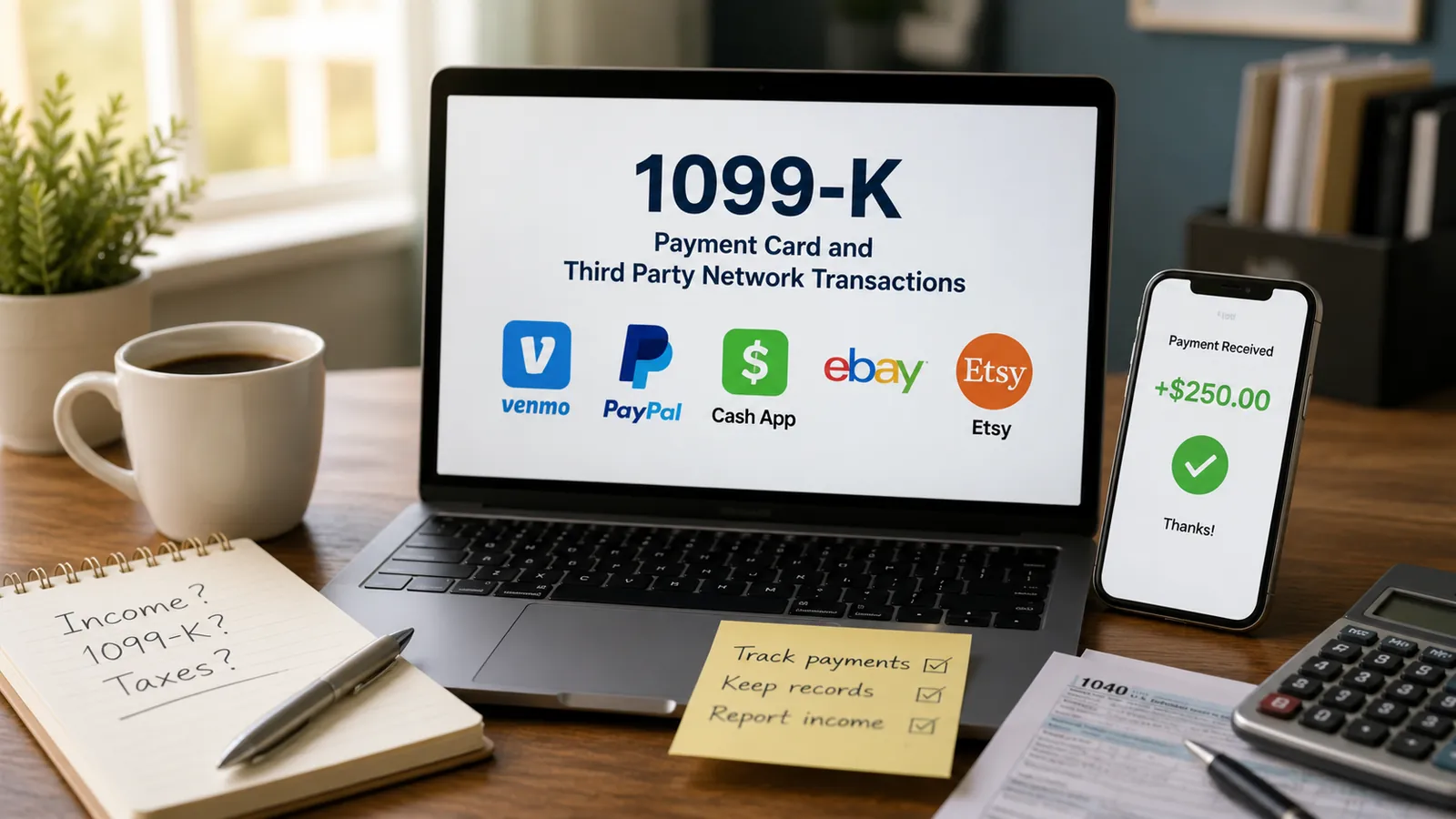
When Venmo, PayPal, and Cash App payments count as taxable income, how the 2026 Form 1099-K threshold works, and what to report on your return.
A free initial consultation is the easiest way to see how Gregg can help. Call, email, or send a message and he will be in touch.